
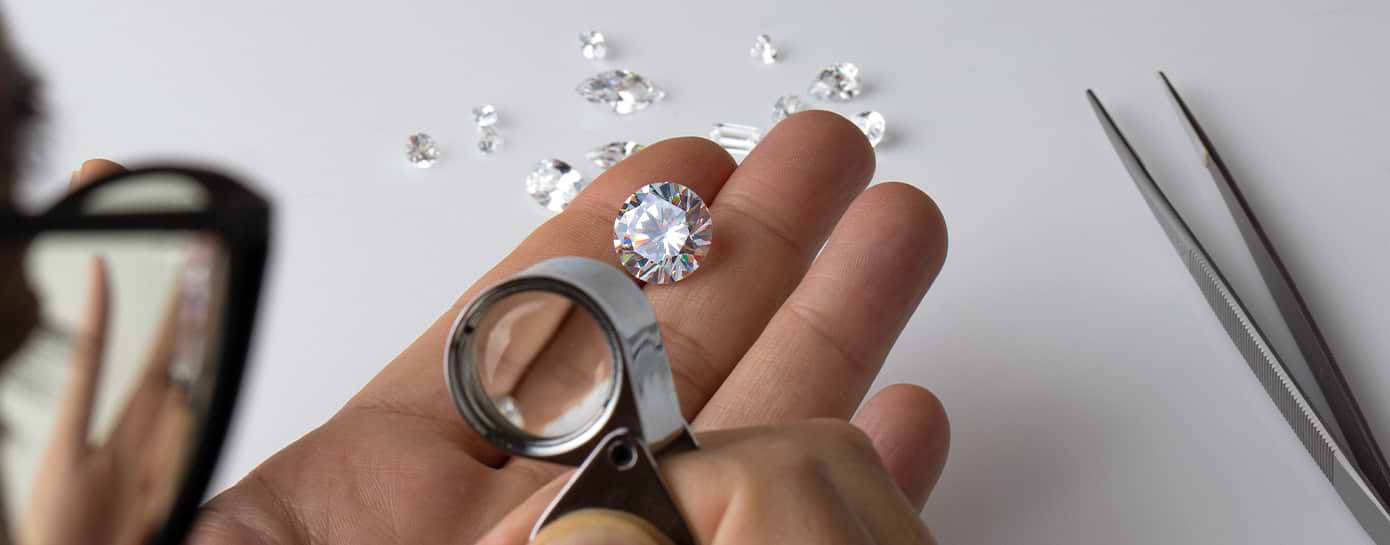


- What Are Lab Created Diamonds
Not quite dug from deep underground – these stones grow in labs instead. Carbon atoms stack just like in earth-mined ones, forming an identical pattern. Same makeup down to every last detail. Their origin story sets them apart though. Deep beneath the surface, real diamonds take eons to form. Not these – they emerge in labs, built by people using science. Pressure and heat mimic what happens far below ground. What comes out shines just like the traditional kind. Set one beside a natural gem, side by side on white paper. Your eyes won’t catch a single clue. Experts must reach for devices, not instincts, to spot which is which.
Lab Grown Diamonds How They Are Made
One way labs make diamonds involves intense heat and pressure, similar to how they form underground. Another method uses gas inside a chamber, where carbon builds up slowly on a surface.
- High Pressure High Temperature or HPHT
- Chemical Vapor Deposition or CVD
Deep underground, nature makes diamonds slowly. This method copies those crushing pressures and high temperatures. Inside a chamber, a tiny piece of diamond gets squeezed hard while heated up. Melted carbon wraps around it, layer by layer building structure. Instead of pressure, another technique relies on gas reactions. A sliver of diamond starter sits inside a closed space full of carbon-heavy vapor. When heat hits, tiny carbon pieces break free then bond onto the starter. Growth happens slowly, piece after piece stacking up. Each approach forms gems just like earth-dug ones – same look, same makeup.
People Pick Lab Grown Diamonds
Most times it’s about price and how clear the process is. When compared to natural stones, lab made ones generally come at a lower price point for equal size and grade. That opens up room to go bigger without stretching your wallet. On the flip side, saving money might let you keep your design goals intact while spending less. Knowing exactly where the gem came from matters to certain shoppers too. Starting somewhere precise helps track what happens next. Production details stay visible, step by step. When picking a diamond tennis bracelet, costs shift based on origin. Multiple tiny gems go into one piece. Savings on each stone add up fast. That gap shows clearly at checkout.
Important Quality Aspects to Know
A rock pulled from the earth or made under controlled conditions gets its worth measured one way. People usually refer to these measures as the four Cs.
Cut
Light reflection depends on a diamond’s shaping lab created diamonds. Brightness and sparkle come alive when cuts are done right. Dullness shows up easily, despite strong color or clear appearance, if cutting misses the mark. The grading report holds key details – look there first. Round shapes perform best under top-tier ratings like Excellent or Ideal.
Color
White light dances through a diamond differently depending on its hue. Starting at D – totally clear – it shifts slowly toward warmer tones marked by Z. Jewels rated D to H usually shine without hint of tint. Small shades might matter only if your eye catches them easily. High marks beyond that add little for most people.
Clarity
What you see inside a stone – tiny flaws trapped during formation – is what people mean by clarity. Outside nicks count too, though they show up less often. Many of those inner spots vanish when viewed bare-eyed. When picking jewelry meant for everyday, like a row of diamonds on a wrist chain, aim somewhere around VS or SI. From normal distance, none of it looks flawed.
Carat
A diamond’s weight is what carat tells you, never its visual size. Bigger stones usually tip the scales heavier. Yet identical carats might appear larger or smaller based on how they’re cut. To really compare, check the dimensions in millimeters along with the carat number.
Certification Matters
Always get a grading report from a well-known gem lab. This paper shows what the diamond is really like. Certification from groups like GIA or IGI carries weight. A document of this kind mentions if the stone was made in a lab. Cut, color, clarity, along with carat size appear on it too. Picture this: a piece of paper might matter more than the words on a shop sign. When it comes to stones, proof beats promises every time. It gives clarity. Suddenly, choices aren’t just guesses – they’re clear, side by side.
Pricing and Value
Diamonds made in labs usually cost less at first. Their price draws people who care about carat weight or tight spending limits. Still it pays to think about what happens later when selling. Buyers reselling these stones face an evolving marketplace. A changing resale scene might feel distant if you intend to hold onto the piece for years. Ownership length can shift how much that detail matters. Should resale matter later, take time to study what’s happening now. Picture this: three thousand dollars sits ready. Natural diamonds could get you so much sparkle by size. Lab made ones might let that sparkle grow bigger, still within the same amount. Because choices open up easily, some shoppers pick manufactured gems when building styles with many stones – think bracelets lined edge to edge.
Durability and Daily Wear
Everyday use? Lab diamonds handle it just fine. Rated 10 on the hardness chart – same number as natural ones. Scratches don’t come easy thanks to that toughness. Wearing pieces every single day means looking close at how stones sit in their settings. A strong hold matters as much as the sparkle itself. A solid hold begins with sturdy prongs, plus dependable fasteners make all the difference. When looking at a diamond tennis bracelet, pay attention to how firm the grip feels – each clasp should lock in place without strain
- The clasp locks firmly
- Each stone is set evenly
- Every piece fits tight. Nothing dangles free. Each part holds firm. Not a single gap shows up. All connections stay locked in place
A single diamond can last ages. Yet it’s the maker’s skill that decides if the jewelry survives daily wear.
Common Misunderstandings
Truth sits elsewhere for some folks thinking lab made stones aren’t genuine. Not true at all. These gems differ from cubic zirconia entirely. Glass? Not even close. Real carbon crystal structures born offsite from earth’s crust. A common mix up also paints them as flawless by default. Even lab made gems might carry tiny flaws or uneven hues. Same rules apply when rating them as natural ones. Take your time studying each detail just the same. The report matters – check it closely. Bright light reveals what eyes might miss at first glance. Curiosity helps – you could learn more by simply asking.
Deciding if They Fit Your Needs
What matters most to you. Maybe size stands out – getting the biggest gem within your price range. Or perhaps knowing where it came from feels more important. Resale value might be what really grabs your attention down the line. Start by listing what feels essential. Yet think it through before deciding. When picking one standout gem for a ring, the choice may shift entirely compared to gathering tiny stones for jewelry worn daily. Picture aiming for smooth brilliance along the arm – here, manufactured gems offer steady shine without surprise pricing. That predictability becomes key while building a piece like a classic linked bracelet, where every detail must match.
Practical Buying Steps
Start by picking how much you’re willing to spend. After that, decide on the lowest quality level you’ll accept. Instead of guessing, look at verified gems offered by various vendors. Because protection matters, check what each seller offers if something goes wrong. Take your time – fast choices often cause regrets. A slight shift in shape or tint might change how a stone looks far more than it seems. Maybe see them face to face if that works. When buying from a screen ask for sharp photos, real clips. Watch each one react when light shifts around it.
Frequently Asked Questions
Are lab created diamonds real diamonds
Fine. Identical traits, both physical and chemical, match those of earth-mined stones. Origin alone sets them apart. Truth sits there.
Do lab created diamonds last as long as mined diamonds
Fine. Both stand up equally well over time. Given the right attention, either one might still be around decades later.
Are lab created diamonds cheaper
Price tags often sit lower compared to natural gems with matching size and clarity. How much varies based on what buyers want right now and the individual gem’s traits.
