
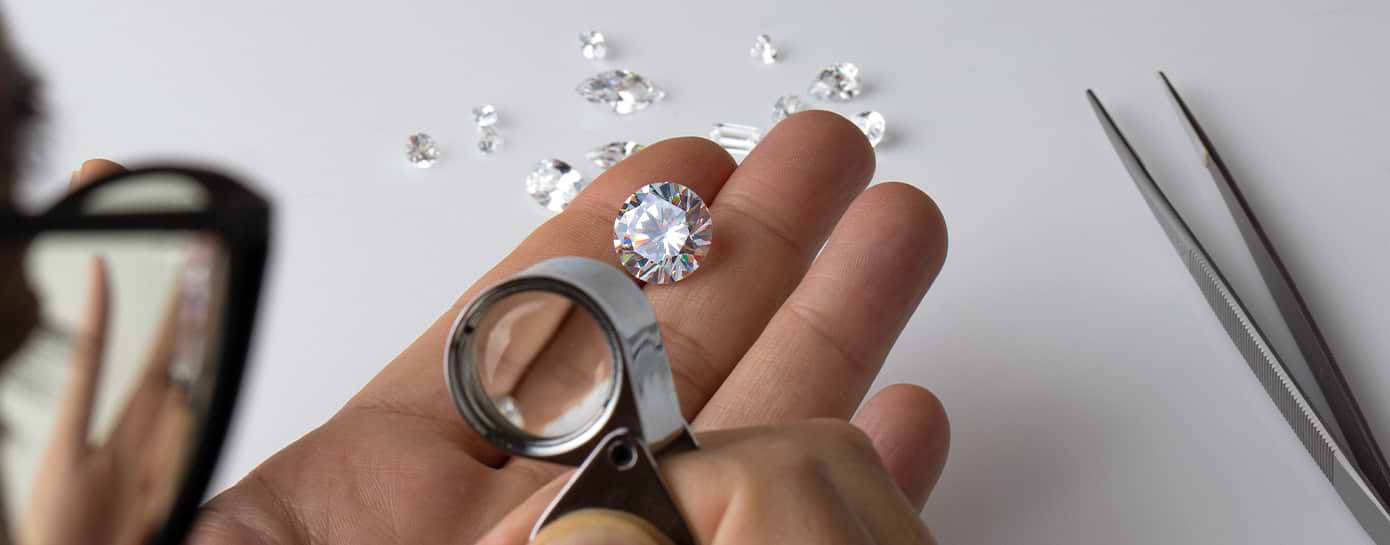


What lab grown diamonds actually are
Lab grown diamonds are real diamonds. They are not substitutes. They are not imitations. They share the same chemical structure crystal form and hardness as mined stones. The difference lies in origin. Instead of forming deep underground over long periods they are created in controlled environments that replicate natural conditions.
Two main methods are used. High pressure high temperature mimics the heat and pressure of the earth. Chemical vapor deposition grows diamond layers from carbon rich gas. Both methods result in diamonds that meet the same scientific standards as mined ones.
For you this means durability brilliance and longevity are not compromised. A lab grown diamond will cut glass resist scratches and last for generations.
Why people are paying attention now
Interest in lab grown diamonds is not driven by novelty. It comes from practical concerns. Cost transparency supply stability and traceability matter more than before.
You may be comparing stones for an engagement ring or a long term piece. You may want a specific color or size that is difficult to find naturally. Lab production makes these needs easier to meet without tradeoffs in quality.
A one carat lab stone can cost significantly less than a mined equivalent. The price difference grows with size and color intensity.
Color control and pink diamonds
Pink diamonds are among the rarest natural stones. Their color does not come from impurities but from structural changes in the crystal lattice. This rarity drives prices to levels that are inaccessible for most buyers.
Lab grown diamonds change this equation. Controlled growth allows for repeatable color results including pink tones that are stable and evenly distributed.
This is where lab grown diamonds intersect with the interest behind Diamantes rosados. You get the visual impact of pink without the extreme scarcity factor.
A simple example
You want a soft pink stone for a ring under a set budget. A natural option may be unavailable or far beyond reach. A lab grown option offers the same color presence within practical limits.
How grading works and what to check
Grading standards apply equally to lab grown and mined stones. Independent labs evaluate cut color clarity and carat weight. The report will clearly state the origin.
When reviewing a stone look for these points
- Certification from a recognized lab
- Clear disclosure of growth method
- Consistent color without patches
- Cut quality that supports light return
Do not assume all lab stones are equal. Production quality varies. A well cut stone will appear brighter regardless of origin.
Ethics and sourcing
Ethical concerns play a role for many buyers. Lab grown diamonds offer traceable origins. There is no mining footprint tied to land displacement. Labor conditions are easier to verify.
If ethical sourcing is important to you lab grown diamonds provide a clear answer without relying on indirect assurances.
This does not mean mined stones are unethical by default. It means lab grown options remove uncertainty from the decision.
Pricing reality and resale considerations
Price is one of the strongest drivers. Lab grown diamonds cost less upfront. This allows you to choose larger sizes or higher color grades.
Resale value is different. Mined stones have an established secondary market. Lab grown stones currently resell for less relative to purchase price.
This matters only if resale is part of your plan. If you are buying for long term wear and personal value resale may not be relevant.
Ask yourself
Are you buying for symbolism or future liquidity
Your answer shapes the right choice.
Design freedom and customization
Because supply is more flexible lab grown diamonds open design options. You can request specific shapes colors and sizes with fewer constraints.
Pink stones are often used as center pieces or accents. Matching side stones becomes easier when supply is consistent.
Designers often prefer lab stones for complex layouts because replacements are available if adjustments are needed.
How to decide if lab grown diamonds fit you
There is no universal answer. The right choice depends on priorities.
Consider these factors
Budget limits
Desired size or color
Ethical stance
Long term expectations
If visual result and transparency matter most lab grown diamonds align well. If rarity tied to geology is central to meaning mined stones may hold more appeal.
The key is informed choice not default assumptions.
Common misconceptions
One misconception is that lab stones are fragile. They are not. Another is that color fades. It does not. Properly grown stones maintain color stability.
Another misconception is that lab grown means artificial in value. Value depends on context. Emotional value design value and use value are personal.
Understanding this helps you focus on what matters to you rather than labels.
FAQ
Are lab grown diamonds considered real diamonds
Yes. They have the same physical and chemical properties as mined diamonds and are graded by the same standards.
Can lab grown diamonds be pink
Yes. Controlled growth allows stable pink coloration that resembles natural pink stones.
Will a lab grown diamond last a lifetime
Yes. With normal wear it will last as long as any diamond.
