

I’ve always had a soft spot for fine watches. Not just because of their precision or heritage, but because each one seems to carry a story — a chapter in someone’s life. You might have inherited a vintage Omega from your grandfather, or saved up for years to buy that Rolex Submariner you’d always dreamt about. For most of us, these pieces aren’t just accessories; they’re investments in craftsmanship, sentiment, and time itself.
But here’s something that caught my attention recently: more Australians are using those very timepieces as financial tools — leveraging them to access quick cash through what’s called a loan against watches.
Now, at first, I’ll admit I raised an eyebrow. It sounded a bit too niche. But the more I looked into it, the more I realised it’s quietly becoming a smart, practical option for people who need liquidity without giving up their assets.
Let’s unpack how it works, why it’s on the rise, and what you should know if you’re thinking of doing the same.
The Modern Twist on an Old Idea
Pawning isn’t new — it’s one of the oldest forms of secured lending in the world. But the modern version looks a lot different from the dusty pawnshops people might imagine.
Today’s high-end collateral lenders cater to collectors and professionals who’d rather not touch their credit score or liquidate their assets. Instead, they’re using items like luxury watches, jewellery, and designer handbags to secure short-term funding.
A loan against watches is exactly what it sounds like — you bring in a verified timepiece (say, a Patek Philippe, Audemars Piguet, or TAG Heuer), it’s professionally appraised, and you receive a loan based on a percentage of its market value. The watch is securely held during the loan term, and once you repay, it’s returned to you. Simple as that.
What surprised me is how discreet and efficient the process can be. There’s no invasive credit check, no lengthy bank paperwork — just a straightforward agreement based on your watch’s worth.
For anyone who’s ever needed funds quickly — maybe for business cash flow, a property deposit, or an unexpected expense — it’s a compelling alternative to traditional lending.
The Rise of Luxury Collateral in Australia
Australia’s luxury resale and asset-lending markets have been quietly booming. With more Australians investing in high-end watches over the past decade, it was only a matter of time before those assets started to hold financial weight beyond the display case.
In fact, the global secondary market for luxury watches has exploded. Platforms like Chrono24 and WatchBox have turned private watch trading into a global ecosystem, where values fluctuate almost like shares. A rare Rolex Daytona can appreciate more than some stocks if you know what you’re doing.
And that’s precisely why lenders are taking notice.
In cities like Sydney, Melbourne, and Perth, specialist brokers now cater exclusively to this niche. You’ll find sleek, secure offices — not neon pawnshops — where appraisers use market data, brand knowledge, and real-time valuation tools to offer fair loan amounts.
It’s part of a broader cultural shift: people are realising that value doesn’t only sit in a bank account.
What Makes a Watch Valuable Enough for a Loan?
Let’s be clear — not every watch is eligible. You can’t walk in with a $100 department-store quartz piece and expect a payday.
Luxury timepieces are valued on several factors:
- Brand – Top names like Rolex, Patek Philippe, and Richard Mille tend to hold or grow in value.
- Model and Rarity – Limited editions or discontinued models can fetch premium rates.
- Condition and Authenticity – Original parts, pristine servicing history, and certificates matter.
- Market Demand – A watch that’s trending in collector circles will secure higher appraisals.
The lender will typically offer anywhere from 50–70% of the market resale value as a loan. That’s a safety margin in case the borrower defaults, but it’s also fair when you consider the watch remains your property.
I spoke to a Melbourne collector who once used his Rolex GMT-Master II as collateral to secure $15,000 for a short-term business investment. He described the experience as “surprisingly stress-free” and got his watch back within three months after repaying the loan.
“It felt less like pawning,” he told me, “and more like leveraging an asset — just like investors do with property or shares.”
Why This Option Appeals to Professionals and Collectors
There’s a quiet practicality to it.
For business owners, freelancers, and investors, cash flow can be unpredictable. You might have assets tied up in stock, property, or — in this case — luxury watches. Rather than sell them, which can be time-consuming and emotionally difficult, getting a short-term loan lets you bridge the gap.
Collectors often use it to fund new acquisitions without offloading existing ones. It’s a bit like taking equity from your home — only with a timepiece instead of a title deed.
There’s also a privacy aspect. Many Australians appreciate the discretion that comes with asset-backed lending. There’s no impact on your credit report, and transactions are handled confidentially.
The Emotional Side of It
This might sound sentimental, but watches often carry emotional weight. They mark milestones — a graduation, a wedding, a successful deal. So, parting with one can feel wrong.
That’s why the loan against watches model appeals: you’re not selling it, you’re simply using it temporarily as leverage.
It reminds me of a friend who inherited his father’s vintage Omega Seamaster. During a tough patch, he considered selling it. But instead, he took a small loan against it — enough to tide him over for a few months. When things improved, he paid it back and reclaimed the watch.
He told me, “It felt like Dad was still helping me, even after he was gone.” That stuck with me.
Security and Trust: How the Process Works
Let’s talk about the practical side.
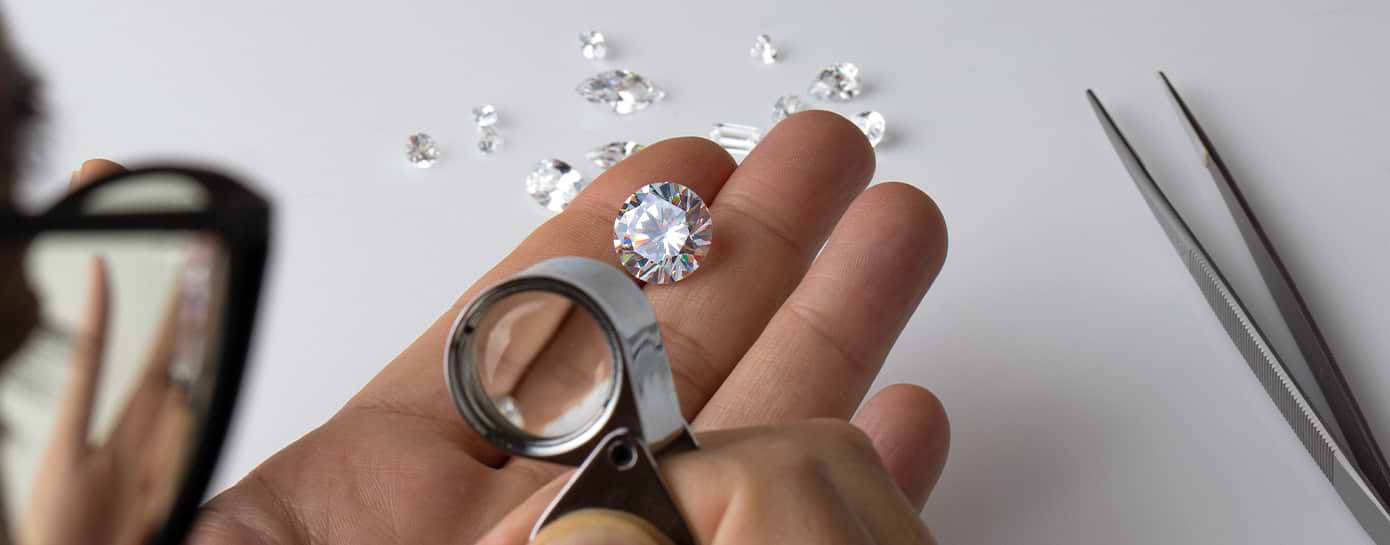
When you approach a reputable lender, your watch is evaluated by qualified appraisers — often people with experience in jewellery, horology, or luxury goods. The valuation considers brand, model, materials, and market demand.
Once the loan amount is agreed, the watch is stored in a secure, insured facility for the duration of the loan. Reputable firms will provide full documentation, transparent interest rates, and clear terms.
If you repay on time, your watch is returned safely. If not, the lender has the right to sell it to recover costs — but most borrowers repay because they value their items.
If you’re considering this, I’d recommend doing your due diligence:
- Check for licensing and insurance coverage.
- Ask about repayment flexibility.
- Ensure your watch will be stored in a secure, climate-controlled vault.
- Read the fine print — as with any loan.
For an example of a reputable service, the team at loan against watches provides detailed guidance on how to safely leverage luxury watches without unnecessary risk. They’ve built their reputation on discretion and fair value assessments.
Comparing Alternatives: Selling Gold or Jewellery
If you’re not a watch collector but still want to unlock value from assets, there are other routes too.
Gold, for instance, remains one of the most liquid and reliable commodities to trade or use as collateral. Many Australians regularly visit trusted gold buyers Melbourne to sell unwanted jewellery or bullion at competitive market rates.
But selling gold or jewellery is final — once it’s gone, it’s gone. A loan, on the other hand, gives you breathing room without permanent loss. It’s this flexibility that makes watch loans particularly attractive for people with sentimental or collectible pieces.
Are There Risks? Of Course — But They’re Manageable
Every financial decision carries some level of risk. With a loan against your watch, the biggest one is defaulting and losing the asset.
That’s why it’s essential to borrow only what you can comfortably repay. Think of it as using a financial tool, not as a last resort.
Interest rates can vary depending on the lender and the item’s value, but reputable operators are transparent about costs upfront.
As with any financial service, steer clear of anyone who seems evasive about terms, offers unusually high valuations, or pressures you into borrowing more.
Why This Trend Reflects a Changing Financial Mindset
What’s fascinating to me is how this niche corner of finance mirrors a broader cultural change.
We’re moving toward a more fluid understanding of wealth. People are realising that assets come in many forms — not just bank balances and property titles. A fine watch, a vintage guitar, or a collection of rare coins — they all represent tangible value that can be strategically used.
In a way, it’s a modern form of empowerment. Rather than feeling trapped by financial systems or long approval times, Australians are finding ways to take control of their liquidity.
It’s also part of a sustainability mindset. Instead of constantly buying and selling, people are learning to reuse, repurpose, and re-leverage what they already own.
My Takeaway
I started researching this topic out of curiosity — but honestly, it’s changed how I look at luxury goods.
It’s comforting to know that something as personal and beautiful as a watch can also serve a practical purpose when needed. Whether it’s a stopgap for cash flow or a way to fund new opportunities, the concept of leveraging time — quite literally — feels both poetic and pragmatic.
If you ever find yourself in a bind or simply want to access the value sitting quietly in your collection, a loan against your watch could be a smart, dignified solution.
Just make sure to work with trusted professionals, understand your terms, and remember that — like any good timepiece — the key is balance and precision.
Final Thought
Timepieces have always been symbols of status, success, and sentiment. But now, they’re also becoming instruments of smart finance.
So next time you glance at your wrist, think about it — that little machine ticking away might just hold more potential than you realised.
After all, time isn’t the only thing your watch can give you. Sometimes, it can give you options.