
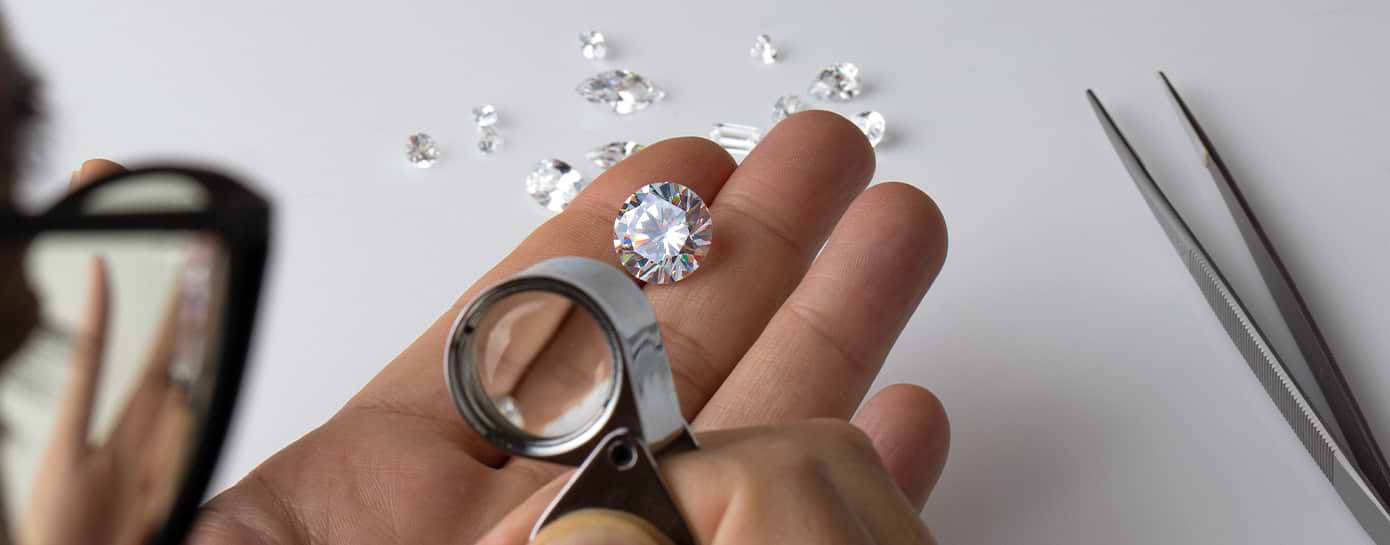
One choice stands out when selecting jewelry – engagement bands or standout designs – the debate appears: diamond against moissanite. Though they look alike at first glance, each carries unique traits attracting separate audiences. Recently, synthetic lab made diamonds shifted how people view both. They offer a path seen as eco-conscious, responsible, sometimes less costly. Clarity on what sets them apart, also where they align, shapes wiser buying choices. The decision rests not just on appearance but underlying values.
Understanding diamonds and moissanites?
Worldwide, diamonds stand out among gemstones due to their shine, durability, and symbolic weight. Formed deep within the planet, they emerge after eons exposed to intense heat and compression. Yet today, progress in science allows creation of stones in controlled settings – matching natural ones atom by atom, light by light. These grown alternatives carry none of the land disruption or moral questions tied to traditional extraction methods. Still, both kinds sparkle just the same when touched by sunlight.
Found in a meteorite site by scientist Henri Moissan, moissanites began as rare space-originated stones. Nowadays, specimens mined from nature are nearly nonexistent; instead, commercial supply relies entirely on laboratory production. Though they resemble diamonds to the eye, their light-bending properties differ just enough to produce flashes of color more vivid than those seen in diamond facets.
Diamond Versus Moissanite Look
It often comes up during jewelry buying: what separates a diamond from moissanite? When comparing the two, diamonds usually show a quieter shine, returning light in a clearer way. On the other hand, moissanite tends to scatter colored glimmers because it bends light more sharply.
Despite originating in controlled environments, these gems mirror nature’s brilliance without exception. Their shine matches expectations shaped by centuries of tradition, yet cost less than earth-mined counterparts. Though formed differently, they reflect light in ways nearly identical to mined versions. With clarity held constant, perception shifts when origin enters the conversation.
Durability and Hardness
When comparing diamond vs moissanites, how long they last often comes up. A diamond holds the top spot as nature’s toughest substance, landing exactly 10 on the Mohs measure of firmness. Because of this rating, it withstands surface damage far better than most stones, fitting well into daily routines. Engagement jewelry, worn constantly, benefits greatly from such resilience.
Slightly less hard than diamonds, moissanites measure about 9.25 on the Mohs scale. Despite good strength, tiny abrasions may appear over years of use. Because lab made diamonds share the exact atomic layout of mined ones, their resistance matches perfectly. For those seeking lasting quality without supporting extraction practices, such stones present an alternative path.
Ethical and Environmental Considerations
Nowadays, ethics play an essential role when picking gemstones. Mining natural diamonds often leads to damaged ecosystems, worker exploitation, or stones tied to war zones. When grown in labs, diamonds avoid most such problems – these versions form under stable conditions with far less harm to nature.
Typically found in laboratories, moissanites arrive through controlled processes rather than mining. Still, choosing between them and diamonds often depends on how one values look, reputation, or what others might think. With origin aside, lab-created diamonds carry fewer environmental concerns while keeping the image long linked to mined stones.
Price Comparison
Often, price tips the scale when comparing diamond vs moissanites. While natural diamonds climb in cost with size and clarity, moissanites stay far more affordable by comparison. For those watching spending closely, this offers a way to own a bright, resilient stone without stretching limits. A similar look arrives at a fraction, drawing interest from practical minds.
Though created in laboratories, these gems usually carry lower prices than earth extracted counterparts yet remain pricier than moissanite alternatives. Their value stems not from rarity but from matching the physical traits of traditional diamonds, fitting those who seek elegance without excess expense. Some choose them because they deliver the look of luxury while sidestepping environmental concerns tied to mining operations. For numerous shoppers, this option sits comfortably between high costs and moral questions, giving a sense of worth that feels both reasonable and responsible.
Longevity and Care
Though both diamond vs moissanites endure well over time, upkeep differs because of how light interacts with each stone. A diamond, whether mined or grown in a lab, withstands surface damage easily, staying clear for years when cleaned simply. In contrast, moissanite holds up strongly yet might need regular smoothing to keep its sparkle at peak levels.
When comparing diamond vs moissanites, clarity on durability supports informed decisions. Despite similar appearance, one stands out under constant wear – the diamond, including those grown in labs, resists everyday abrasion most reliably. Yet a buyer drawn to brilliance paired with value may find moissanite fits well. Its shimmer differs subtly, less familiar but still striking over time.
Making the Right Choice
One might weigh ethics first when comparing diamonds to moissanites, also considering cost. Lab created stones enter the picture where origin matters less than impact. A natural diamond carries long standing status, built on scarcity and time. Still, its synthetic counterpart matches hardness while skipping mining concerns. What stands out with moissanite is fire – distinct, lively, different. Some find beauty in rarity; others value transparency and price clarity alike. Preference shapes outcome more than any gemological chart ever could.
Because labs can now grow diamonds, buyers find stones that look like traditional gems yet come without high costs or moral concerns. Though mined diamonds once dominated, new methods shift what value means in rings and necklaces. Since machines replicate natural conditions, crystals form faster and leave smaller traces on the planet. Even so, appearance stays nearly identical, letting wearers keep visual appeal minus the baggage. As more people question origins, demand rises for clear records and simpler pricing. Over time, choices expand beyond old norms into territory where ethics shape desire. Where status once ruled, fit, meaning, and source gain space in decision making. Through subtle shifts, a different idea of luxury takes hold – one built less on rarity, more on reasoning. While some resist change, others see progress in options once thought impossible. Now, stone selection reflects not just taste but thinking shaped by tech and care alike.
Conclusion
Not long ago, choosing between diamond and moissanite centered on appearance alone – now considerations like ethics, longevity, environmental impact, and price shape decisions. Created in laboratories, synthetic diamonds provide an option where visual appeal meets reduced harm to ecosystems and communities. A traditional stone, a bright alternative, or a manufactured crystal might each serve today’s shopper, who accesses deeper knowledge when matching accessories to personal principles.


